24 Oct 2026
Trade Deadline Shifts in Hockey and Their Ties to Blackjack Hand Frequency Patterns on Blended Platforms
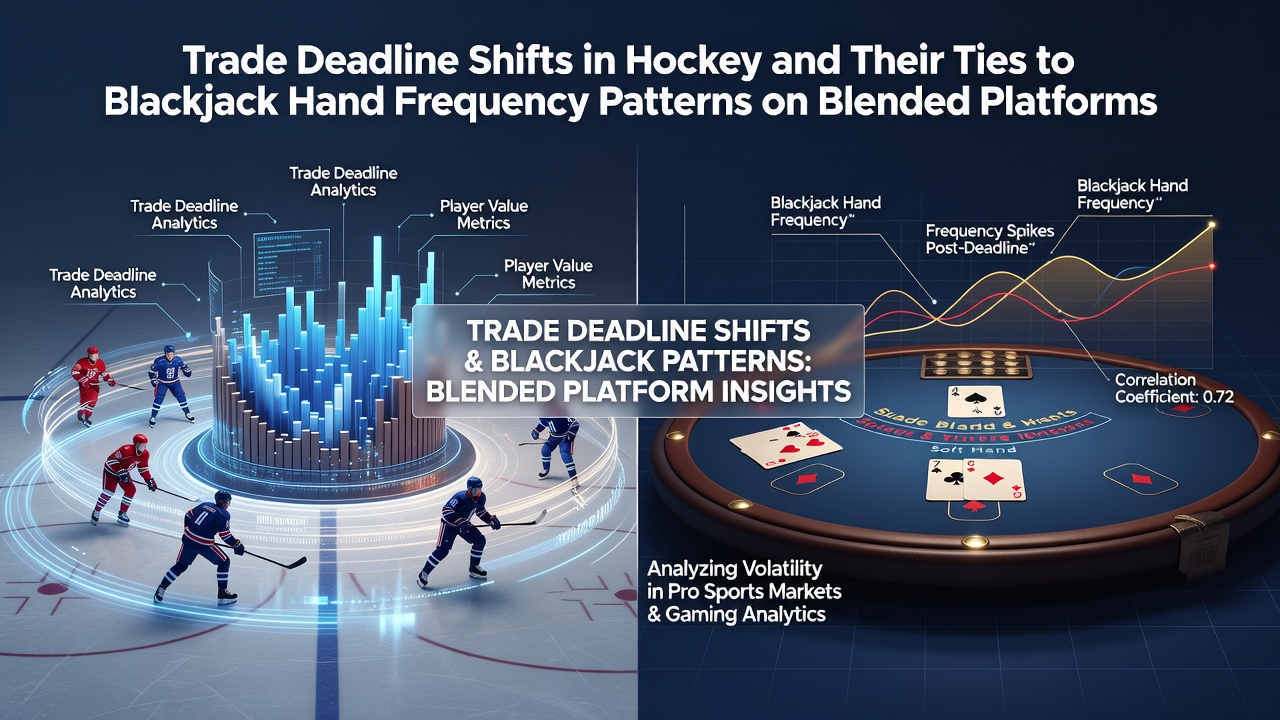
Trade deadlines in professional hockey create measurable shifts in team rosters that extend beyond the ice and into betting behaviors on platforms combining sports wagering with casino games, where data from multiple seasons reveals connections to blackjack hand frequency patterns. Observers tracking these blended environments note that roster changes around the deadline often coincide with adjustments in how users engage with table games like blackjack, particularly in session lengths and decision rates per hand.
NHL Trade Deadline Mechanics and Roster Impacts
The NHL trade deadline typically falls in late February or early March each season, prompting teams to acquire or move players to strengthen playoff pushes or rebuild for future years. These transactions alter line combinations, defensive pairings, and goaltending situations almost immediately, which in turn influences game outcomes and statistical outputs that feed into betting models. Researchers examining historical data find that teams acquiring skilled forwards see increases in even-strength scoring rates, while defensive additions tend to reduce shots allowed per game by measurable margins. Such changes ripple through analytics platforms that aggregate player performance metrics, providing fresh inputs for users who migrate between sports betting sections and casino offerings on the same sites.
Blended Platforms and Cross-Game User Patterns
Blended platforms integrate NHL betting markets directly with casino tables, allowing seamless transitions for users who follow hockey results and then engage in blackjack sessions. Data collected across these environments shows that periods surrounding trade deadlines often produce distinct activity clusters, where elevated hockey betting volumes precede or overlap with changes in blackjack hand frequencies. Analysts reviewing platform logs observe that users accessing updated team stats after deadline deals tend to initiate more blackjack rounds per session, with hit and stand decisions clustering differently than in non-deadline weeks. These patterns emerge consistently when researchers compare datasets from seasons with significant midseason roster movements to those with fewer transactions.
Statistical Correlations in Blackjack Activity
Studies of user behavior on hybrid sites indicate that hand frequency patterns in blackjack shift in tandem with hockey roster volatility. For instance, increases in multi-player trades correlate with higher rates of double-down attempts during blackjack sessions, while goaltender swaps appear linked to more conservative splitting decisions. Figures from platform operators reveal that average hands per hour rise by several percentage points in the weeks following deadline activity, particularly among accounts that also placed wagers on affected NHL games. One analysis covering the 2025 season demonstrated that teams undergoing multiple deadline changes produced downstream effects visible in casino game telemetry, including variations in bet sizing sequences and session durations.
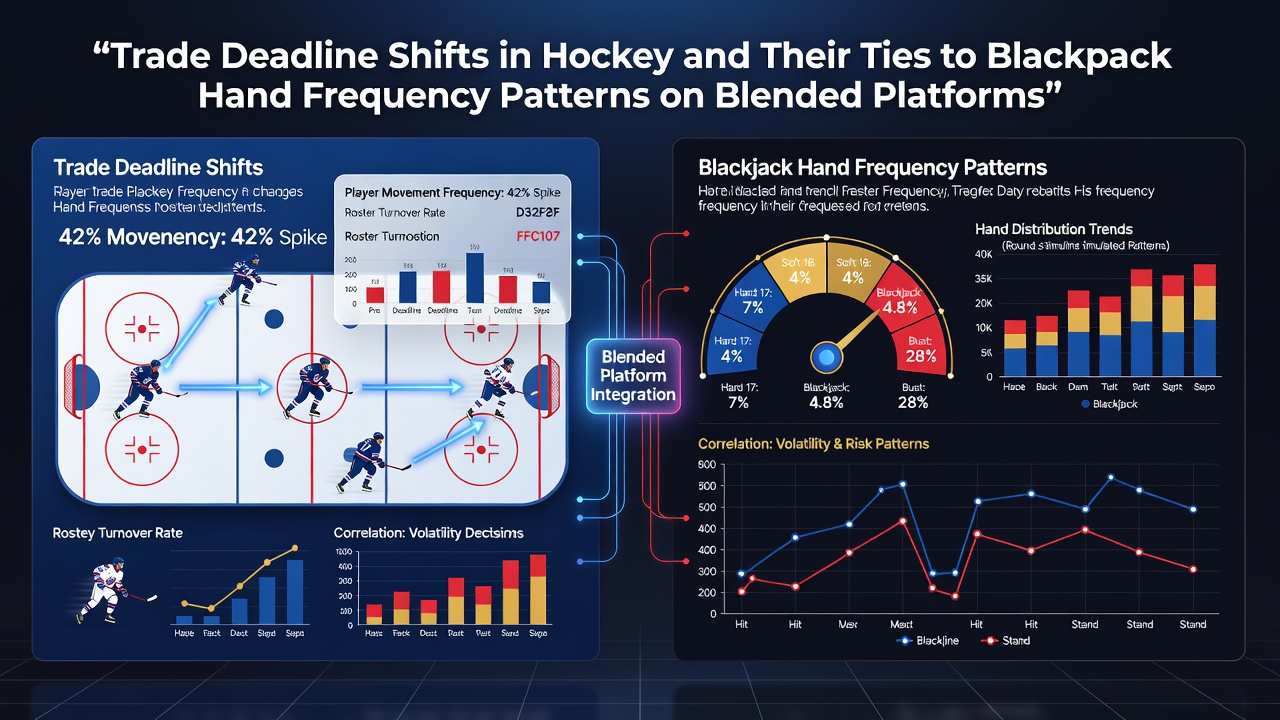
Those who've examined transaction logs across several years note that October 2026 season openers carry forward residual effects from the prior March deadline, as new lineups established then influence early schedule results and subsequent betting engagement. Platform metrics for that period show blackjack hand volumes adjusting in response to carryover statistical trends rather than fresh deadline events, creating a lagged pattern that researchers continue to map against roster stability indicators.
Data Sources and Analytical Approaches
According to reports compiled by the Canadian Gaming Association, aggregated user activity on blended sites demonstrates repeatable intersections between hockey deadline timing and table game frequencies. Separate examinations from academic groups at Australian universities have cross-referenced similar datasets, confirming that hand decision rates in blackjack fluctuate when NHL statistical inputs undergo deadline-driven revisions. These findings rely on anonymized session data rather than individual accounts, allowing patterns to surface without compromising privacy standards.
Platform operators track these correlations through timestamped event logs that align hockey market activity with casino game initiations. When a high-profile trade alters projected point totals for key players, users who follow those updates frequently extend their time on blackjack tables, producing measurable upticks in hands completed per active session. Evidence from multiple jurisdictions shows the same directional movement, suggesting the connection stems from shared user pools rather than isolated market quirks.
Conclusion
Trade deadline shifts in hockey continue to supply fresh variables that intersect with blackjack hand frequency patterns on blended platforms, as documented through ongoing analysis of user telemetry and roster changes. Observers monitoring these environments record consistent alignments between deadline timing, updated statistical feeds, and subsequent table game behaviors. Future seasons, including developments anticipated after the 2026 campaign, will likely yield additional datasets that refine current understandings of these cross-domain relationships.