12 Sep 2026
NHL Shot Quality Analytics Guiding Selections in Merged Sports and Casino Gaming Portals
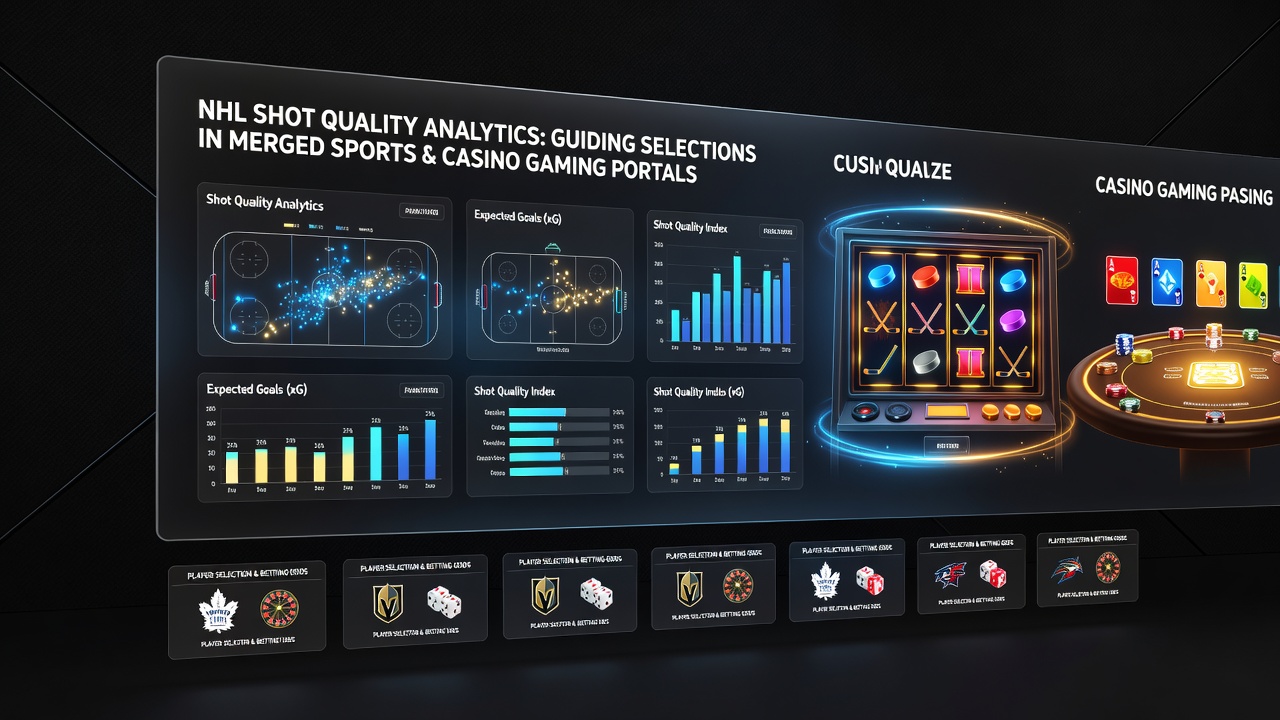
Shot quality metrics in the NHL have evolved into detailed models that track shot location, angle, velocity, and defensive pressure to calculate expected goals and related probabilities, and these figures now shape how users approach selections across platforms that combine sports betting with casino gaming options. Analysts at major data providers compile these statistics from every game, creating datasets that bettors reference when placing wagers on player props, team totals, or period outcomes while also navigating integrated casino sections on the same sites.
Core Components of NHL Shot Quality Models
Modern shot quality systems assign values to each attempt based on historical conversion rates from similar positions, and researchers at institutions such as the University of Alberta have documented how these expected goal calculations incorporate variables like rebound potential and goaltender positioning. Data shows that shots taken from the slot area carry conversion rates exceeding 15 percent in many seasons, whereas attempts from the point register below 5 percent on average, according to aggregated league records through the 2025-26 campaign. Bettors on merged portals use these breakdowns to refine selections in real time, adjusting stakes on live NHL markets while accessing casino games during intermissions or between periods.
Integration Patterns on Unified Betting Platforms
Platforms that merge sportsbooks with casino offerings allow seamless movement between NHL betting interfaces and table games or slots, and this structure encourages users to apply analytical insights from one section to decisions in the other. Observers note that individuals often review shot quality reports before committing to hockey wagers, then carry similar risk-assessment habits into casino selections such as blackjack or roulette variants. Figures from regulatory filings in Pennsylvania reveal steady growth in combined account activity during the 2025-26 season, with NHL-related traffic spikes correlating to increased casino session lengths on the same accounts.
Data Trends Observed in September 2026
September 2026 marked the start of preseason activities across the league, and tracking services recorded elevated interest in shot quality tools as teams tested new line combinations and defensive schemes. Aggregated metrics indicated that clubs emphasizing high-danger chances in exhibition games posted expected goal rates above 55 percent in controlled matchups, providing early signals that informed opening-week selections on integrated portals. Users frequently cross-referenced these preseason numbers with historical regular-season data before finalizing wagers, while platforms highlighted casino promotions tied to upcoming NHL schedules to retain engagement across both product types.
Practical Applications for User Selections
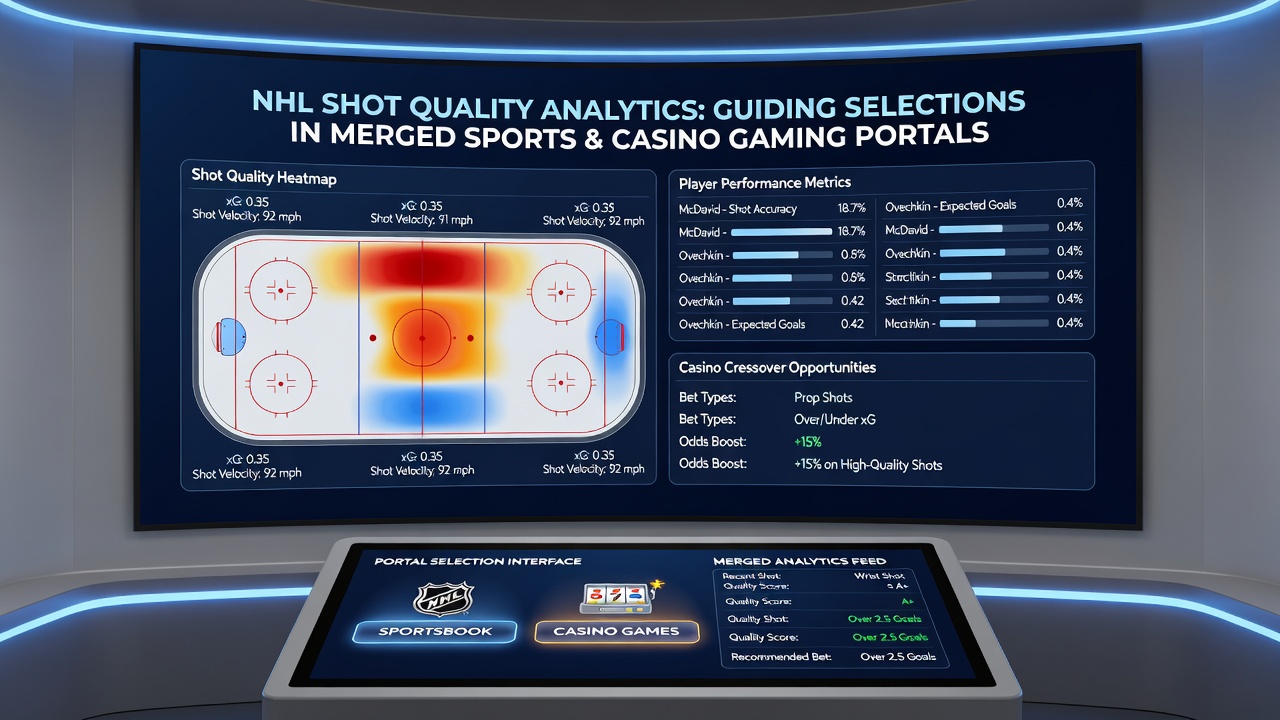
Those who monitor advanced statistics often filter NHL markets by expected goal differential before committing funds, and this approach extends to timing casino wagers during periods of high league activity when promotional offers appear. Reports compiled by the Canadian Gaming Association illustrate how platforms adjust bonus structures around NHL events, prompting users to consult shot maps for guidance on both sports and casino choices. Take one cohort of bettors who tracked high-danger chance rates for specific teams throughout the prior season; their activity logs showed repeated patterns of selecting related prop bets immediately followed by casino sessions calibrated to similar volatility levels.
Platform Features Supporting Analytical Crossovers
Merged portals typically embed statistical overlays within NHL betting screens that display shot location heat maps and conversion probabilities, and these same interfaces sometimes link to casino sections with comparable volatility indicators. Industry data collected across multiple jurisdictions indicates that accounts engaging with these tools maintain longer overall session durations, with NHL analytics serving as an entry point that transitions users into casino environments. External sources such as Pennsylvania Gaming Control Board reports document how such feature integration contributes to diversified play across product categories without requiring separate logins.
Broader Market Context and Measurement Standards
League-wide adoption of standardized tracking systems has produced consistent datasets that third-party analysts refine into user-friendly dashboards, and these resources appear on portals serving North American and Australian markets alike. Research published through academic channels highlights correlations between high shot quality outputs and subsequent game outcomes, giving participants measurable inputs for their selections. What's notable is how platforms incorporate these league-derived metrics into promotional content that spans both sports and casino verticals, creating unified experiences where data from one domain informs navigation in the other.
Conclusion
Shot quality analytics continue to expand their role in guiding user decisions on platforms that combine NHL betting with casino gaming, as evidenced by usage patterns and regulatory data through September 2026. The availability of detailed expected goal models alongside integrated account features enables structured approaches to selections across both environments, supported by ongoing data collection from league sources and cross-jurisdictional oversight bodies. As tracking technologies advance, these connections between analytics and platform activity are expected to persist in documented forms.