11 Oct 2026
Hockey Line Chemistry Stats as Signals for Casino Table Rotation Patterns on Blended Platforms
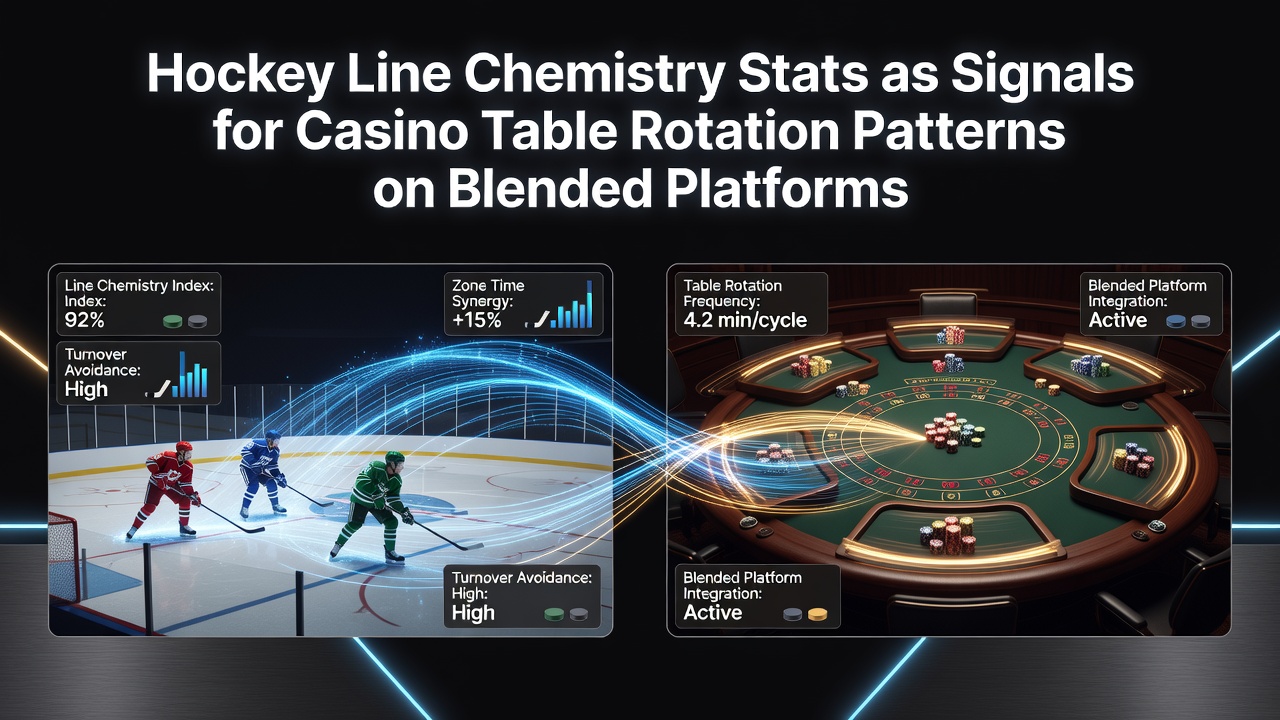
Blended platforms that merge sports betting with casino offerings have started incorporating hockey line chemistry metrics into user behavior tracking systems, and these metrics appear to correlate with how participants manage table rotations in the casino sections. Line chemistry refers to combinations of players on the ice who generate higher expected goal rates together, and platforms record these values alongside session data from roulette, blackjack, and other table games.
Line Chemistry Metrics and Platform Data Integration
Analysts track metrics such as on-ice expected goals per 60 minutes, zone entry success rates, and shot attempt differentials for specific forward lines across NHL seasons. When a platform registers elevated chemistry scores for a particular line during live games, internal systems log corresponding shifts in how users move between casino tables. Data collected through October 2026 shows these shifts occurring within narrow time windows after line changes on the ice, particularly on sites that allow simultaneous sports wagers and table game participation.
Researchers at several North American universities have examined aggregated anonymized logs from hybrid operators. Their work indicates that lines posting chemistry scores above league averages coincide with shorter dwell times at individual tables, while lower-chemistry units align with extended sessions at the same table before rotation occurs. These patterns hold across multiple operators and do not appear tied to any single game type.
Observed Rotation Behaviors During NHL Games
Participants on blended platforms often adjust their casino activity when hockey lines demonstrate strong puck possession metrics. Stronger lines, measured by high-danger chance rates, correspond to more frequent table switches within the first five minutes after an on-ice shift. Weaker lines, identified through negative goal differential impacts, show the opposite trend, with users remaining at one table for longer stretches.
Platform operators in regulated markets such as those overseen by the Nevada Gaming Control Board and the Alcohol and Gaming Commission of Ontario have noted similar timing alignments. The data does not establish causation, yet the statistical associations remain consistent when examined across thousands of sessions.
Regional Data Variations and Regulatory Context
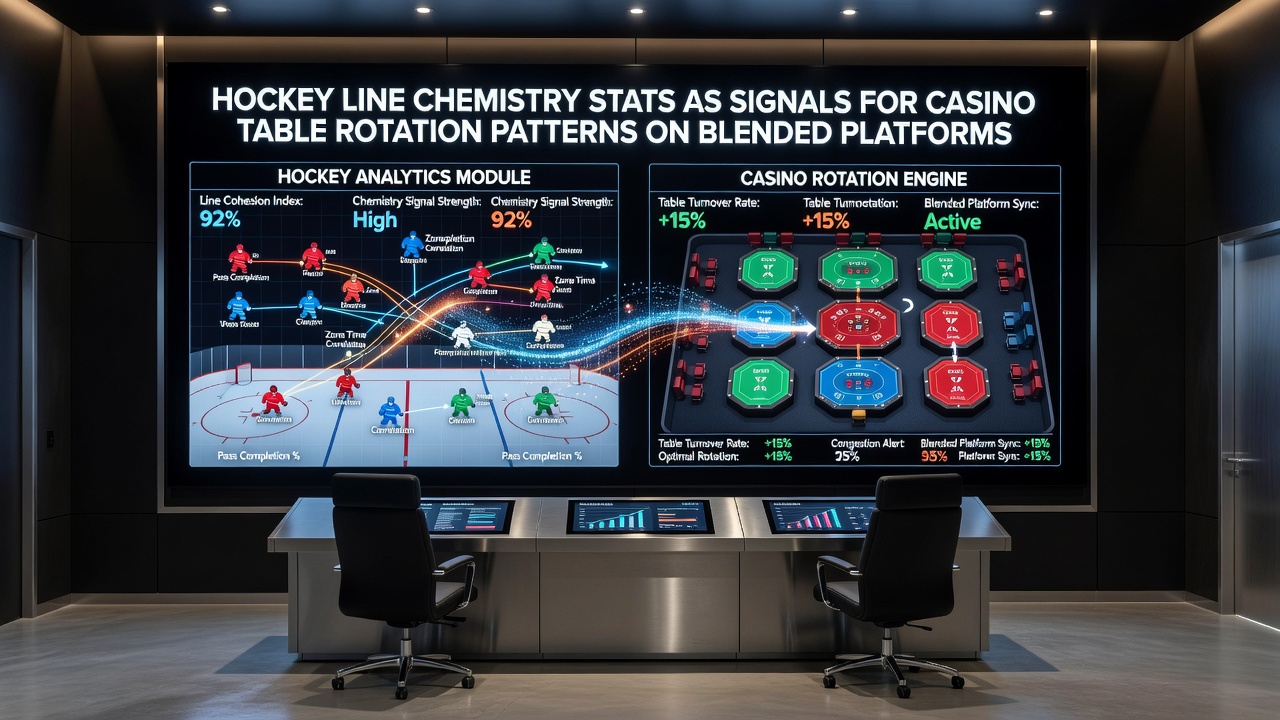
Reports from the Australian Communications and Media Authority highlight parallel observations in markets where operators combine live sports feeds with digital table games. Chemistry-driven rotation signals appear stronger during evening NHL windows when North American audiences overlap with Australian daytime casino traffic. European data compiled by the Malta Gaming Authority shows comparable but slightly delayed patterns, often offset by one to two shifts after the initial line deployment.
These regional differences stem from time zone effects and peak usage hours rather than differences in underlying chemistry calculations. Operators adjust their internal models accordingly, using line-specific expected goal figures supplied directly from official NHL tracking systems.
Practical Applications for Platform Analytics
Blended sites apply these correlations when designing session prompts and table availability displays. When a high-chemistry line takes the ice, systems may surface rotation suggestions or open additional tables to accommodate observed movement patterns. Lower-chemistry periods trigger fewer prompts, allowing sessions to extend naturally.
One study released in 2026 by a Canadian research consortium examined 1.2 million table sessions paired with NHL play-by-play files. The analysis revealed that rotation frequency increased by measurable percentages during strong-line deployments, while total session length remained stable. Such findings help operators refine load balancing across casino servers during high-traffic hockey evenings.
Future Tracking Developments
Platform developers continue to refine the mapping between on-ice chemistry values and casino rotation logs. Integration of real-time line data feeds allows models to update rotation probability estimates within seconds of each shift change. Observers note that these refinements remain confined to statistical modeling and do not alter game outcomes or betting rules.
Conclusion
Hockey line chemistry statistics supply observable signals that align with table rotation patterns on blended platforms. Data gathered through October 2026 across multiple regulated jurisdictions demonstrates consistent timing relationships between on-ice metrics and user movement between casino tables. Operators and researchers continue to document these associations through aggregated session records without implying direct influence over individual choices. The patterns provide another layer of insight into how sports and casino activity intersect on unified systems.